Head-On Collisions
A head-on collision is an accident in which the fronts of two vehicles collide while traveling in opposite directions. They are reported to be responsible for about 10% of crash-related deaths in the United States. Some common causes of a head-on collision include driving while intoxicated, fatigue, distracted driving, and road hazards. Drivers involved in this type of accident can sustain serious injuries or even worse.
Fender Benders
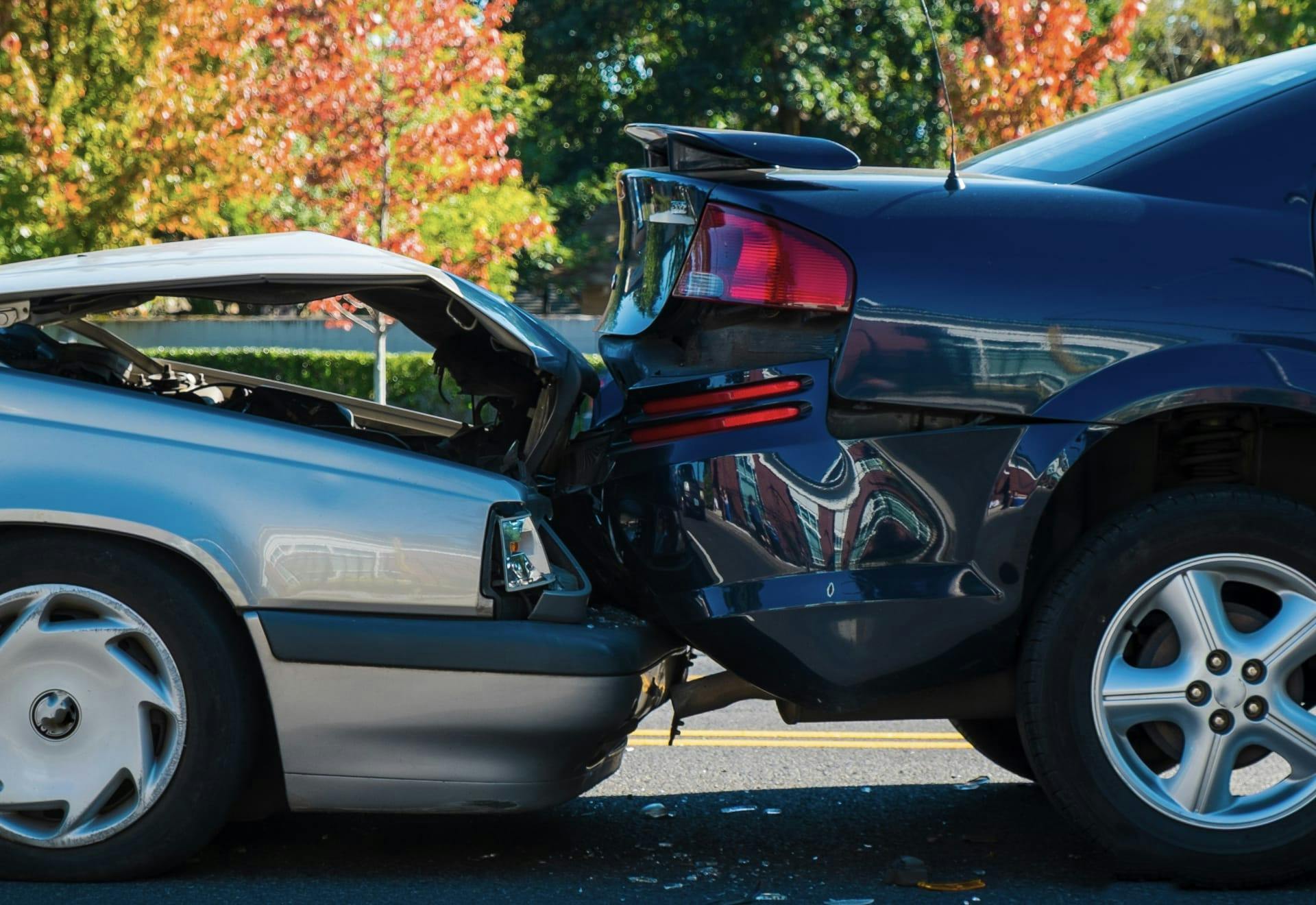
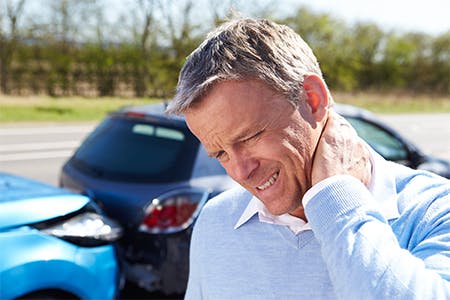
One of the most common types of car accidents is a fender bender. While this is considered a minor accident, it typically causes vehicle damage, with rarely any serious injuries sustained by drivers and/or passengers. Those involved in the accident may experience whiplash, injuries to the arm and wrist, and back pain. Fender benders occur at low speeds and are a result of distracted driving, navigating crowded spaces like parking lots, and more.
Rear-End Collision
A rear-end collision occurs when one vehicle crashes into the back of another. In most cases, the driver who rear-ends another is at fault due to unsafe driving practices such as tailgating. However, there are situations in which the vehicle in front acts negligently. This includes when a driver decides to reverse suddenly and without warning, fails to fix broken brake lights or other mechanical malfunctions, and performs brake checks.
Uber/Lyft/Taxi Accidents
With more people using rideshare services like Uber and Lyft, as well as taxis, traffic on the roads has increased. Accidents involving a passenger can range in severity, and liability is determined by whose vehicle hits whose. Accidents involving rideshare companies or taxis can be complicated when it comes to obtaining compensation, which is why it's important to hire an expert attorney.
Sideswipe Collisions
When two vehicles are driving next to each other, and the left side of one vehicle collides with the right side of the other, this is called a sideswipe accident or collision. The culprits of these accidents are changing lanes without checking blind spots, merging into another lane without caution, distracted driving due to texting, eating, or drinking, driving while intoxicated, aggressive driving, and fatigue. This type of accident can involve multiple vehicles, resulting in critical injuries.
Rollover Accidents
Rollover accidents are among some of the most severe and can result in traumatic injuries and fatalities. While it’s true that larger vehicles tend to be involved in rollover crashes, any vehicle can roll over under the right circumstances. Some causes of this type of accident include tripping (striking soft soil, a guardrail, or a curb), inclement weather, speeding, driving while impaired, design and manufacturing defects, and poor road conditions.
Side Impact Accidents
Also referred to as a T-bone accident, a side-impact accident occurs when the front of a driver’s vehicle hits another vehicle from the side. Severe injuries, as well as fatalities, may occur due to the lack of a structural barrier at the point of impact. Side impact collisions are commonly caused by driving while intoxicated, engaging in distracted driving behaviors, poor weather conditions, failing to obey traffic signals and signs, and speeding.
Failure to Yield Accidents
When drivers fail to adhere to traffic laws, serious ramifications can transpire. Yielding to other drivers in certain situations is not only the law but also helps prevent accidents and serious injuries. Examples include failing to yield to oncoming traffic when making an unprotected turn, engaging in aggressive driving while merging onto a freeway or highway, disobeying flashing yellow or red lights, and more. It is typical for the victim of the crash to collide with the vehicle that has failed to yield.
Chain Reaction Accidents
A chain-reaction accident involves multiple vehicles and may occur due to the carelessness of more than one driver. Rear-end accidents are the outcome of a vehicle forcefully colliding with another car, causing it to hit a third. These accidents usually involve more than two vehicles. Causes of chain reaction accidents include distracted driving, aggressive driving, impaired driving, and inclement weather. Oftentimes, drivers do not maintain a safe distance from other vehicles, which can also contribute to the severity of a chain-reaction accident.
Teen Driver Accidents
Teenagers can receive their driver’s license at 16 upon passing the permit and driving tests. Many teenage driving accidents occur because of a lack of experience, forms of distracted driving like texting, eating, or changing the radio station, reckless driving, driving with other teenage passengers, and more. It has been reported that car accidents are the leading cause of fatalities among teenagers in the United States.
Older Adult Driver Accidents
As seniors age, operating a vehicle can become more challenging due to various health conditions. Although they may want to exert their independence, they are more at risk of endangering themselves and others on the road. While most states require elderly drivers to renew their licenses and undergo vision tests, accidents can still occur that can consequently cause serious injuries or even fatalities. If another driver is responsible, the elderly driver or their family may receive compensation.
Self-Driving Car Accidents
Self-driving vehicles navigate the road without human input. While they’re supposed to operate safely without human intervention, these vehicles, like any others, can still be subject to accidents. Most self-driving car accidents are, in fact, due to human error. If there is a road hazard or another traffic situation, the car may not respond properly, which could result in an accident. Determining who is liable for the accident can often be difficult, as there are different factors to consider.
Uninsured Car Accidents
When purchasing a car, drivers are responsible for making sure they are covered by an auto insurance policy. This type of insurance protects drivers in the event of unexpected events, such as car accidents. In situations where an accident occurs and one driver fails to provide insurance information, an uninsured motorist claim may be filed under the other driver’s car insurance policy. Some drivers don’t purchase insurance because they simply can’t afford it. In these circumstances, it is important to have help from an expert attorney.
Employer Liability for Car Accidents
When an employee is performing a job-related task and is involved in a car accident, the employer may be liable if the employee sustains injuries. This is often referred to as vicarious liability. Many professions that drive on behalf of their employers include food delivery drivers, truck drivers, construction workers, and bus drivers. Even if a driver is not operating a company-owned vehicle, the employer may still be liable.
Hit-and-Run Accidents
Hit-and-run accidents happen when a driver of a vehicle hits another vehicle, pedestrian, or object and flees the scene. Leaving the scene of an accident without providing proper identification or seeking medical attention for those affected is a crime. Drivers may choose to leave after a hit-and-run accident due to being uninsured, driving while under the influence of alcohol or drugs, being previously convicted of another crime, experiencing fear or confusion, or being involved in a car chase.
Bus Accidents
Buses help numerous people commute to their destination every day, and unfortunately, they are not immune to car accidents. Bus accidents can cause serious injuries because many buses lack safety equipment, such as seatbelts, and passengers are often forced to stand due to a lack of available seating. The size of buses puts them at more risk for rollover accidents. Common causes of bus accidents include poor road conditions, bad weather, reckless driving, and more.